

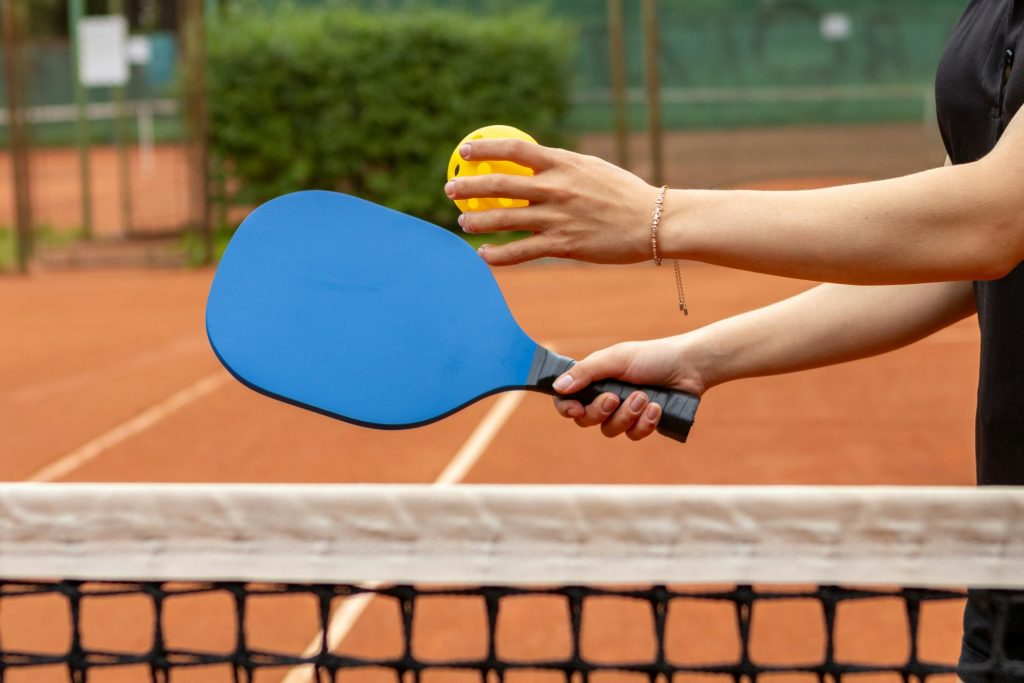
It starts with a text from a friend. “Come try pickleball this weekend. You’ll love it.” And honestly? You probably will. The game is fun, social, and feels a lot more forgiving than tennis or basketball. So you grab a paddle, lace up whatever sneakers are by the door, and head to the courts.
Two hours later, you feel great. Maybe a little sore, but nothing major.
A week later, your knee aches going down stairs. Your shoulder catches when you reach for something overhead. Your elbow burns every time you grip a coffee mug.
That’s when you call us.
At Suburban Orthopaedic Associates, we’ve watched pickleball grow from a niche backyard game into one of the most popular sports in the country. And every spring, as the weather warms up and courts across Newark, East Orange, Irvington, and the surrounding communities fill up, our phones start ringing with a familiar pattern of injuries. We love that people are getting out and moving. We just want to help them do it safely.
What Are the Most Common Pickleball Injuries?
The most common pickleball injuries we treat include knee pain, tennis elbow (lateral epicondylitis), shoulder strains and rotator cuff injuries, Achilles tendon problems, ankle sprains, and fractures from falls. Many of these injuries happen because players jump into the sport without easing in gradually, especially after months of reduced activity over the winter.
That answer covers the basics. But every injury has a story behind it, and understanding the “why” matters just as much as knowing the “what.”
Why Spring Is Peak Season for Pickleball Injuries
Here’s something we explain to patients almost daily during March, April, and May: your body remembers what it used to be able to do. Your joints and tendons do not.
After a winter spent mostly indoors, your muscles are tighter, your range of motion is reduced, and the tendons and ligaments that hold everything together haven’t been under real athletic stress in months. Then the first warm week hits and suddenly you’re playing three days in a row, diving for shots, and pivoting on a dime.
That gap between enthusiasm and conditioning is where injuries happen. And for adults over 40, the margin for error gets a little thinner every year. Not because you’re “too old” to play. Far from it. But because recovery takes longer, and the structures in your knees, shoulders, and ankles need more time to adapt.
The Injuries We’re Treating Most Right Now
Knee Pain from Pickleball
This is the single most common complaint walking through our doors this spring. Pickleball demands constant lateral movement, quick stops, and low-stance positioning. All of that puts tremendous stress on the knee joint.
We see everything from aggravated arthritis to meniscus tears to patellar tendonitis. Some patients come in thinking they just tweaked something minor. Others have been playing through increasing pain for weeks before finally making an appointment.
One thing we always tell patients: knee pain that changes how you walk or makes you hesitate before moving is worth getting evaluated. Your knee is telling you something.
Tennis Elbow (Yes, From Pickleball)
The name is misleading. You don’t need to play tennis to develop lateral epicondylitis. All you need is a repetitive gripping and swinging motion, and pickleball delivers exactly that.
The pain usually starts on the outside of the elbow and gradually works its way into your forearm. Patients often tell us it’s worse in the morning or when they try to open a jar, turn a doorknob, or carry a bag of groceries. It seems minor at first. But left alone, it can become chronic and much harder to treat.
Shoulder Pain and Rotator Cuff Injuries
Overhead serves and hard volleys place real demands on the shoulder. The rotator cuff is a group of four muscles and tendons that stabilize the joint, and they’re especially vulnerable in adults who haven’t been regularly training their shoulders.
We treat a range of shoulder injuries from mild inflammation to partial rotator cuff tears. The tricky part is that rotator cuff problems often feel like a dull ache that only shows up at night or when you reach behind your back. Patients sometimes ignore it for months because it doesn’t seem “bad enough” to address.
That’s a mistake. Early treatment for shoulder strain almost always leads to better outcomes and shorter recovery times.
Achilles Tendon Injuries
The Achilles tendon connects your calf muscle to your heel bone, and it takes a beating during any sport that involves sudden starts, stops, and direction changes. We’re seeing more Achilles tendonitis and even partial tears in pickleball players than we did just a few years ago.
This one tends to sneak up on people. It starts as stiffness in the back of the ankle after playing. Then it becomes a sharper pain with each push-off step. By the time some patients reach our office, the tendon is significantly inflamed and needs more aggressive treatment than it would have a month earlier.
Ankle Sprains and Falls
Pickleball courts are smaller than tennis courts, which means quicker lateral movement in a tighter space. That’s a recipe for rolled ankles, especially on outdoor courts with uneven surfaces.
Falls are another concern we don’t want to overlook. A quick backpedal for a lob shot or a misstep at the kitchen line can send a player to the ground. For adults over 50, a fall on a hard court surface can mean wrist fractures, hip fractures, or head injuries. It doesn’t take a dramatic wipeout. Sometimes it’s just a loss of balance at the wrong moment.
Overuse Injuries
Not every injury comes from one dramatic moment. Many of the patients we see at our Newark, NJ office are dealing with overuse. They played four times last week after not playing all winter. Or they’ve been going every single morning without taking a rest day.
Overuse injuries develop gradually. Inflammation builds in the tendons and joints, and pain creeps in so slowly that you barely notice it’s getting worse. Until one day it is.
How to Prevent Pickleball Injuries
We never want to discourage anyone from playing. Pickleball is genuinely one of the best activities for adults of all ages. The goal is to play smarter so you can keep playing longer. Here are the prevention strategies we recommend to every patient:
- Warm up before every game. Five to ten minutes of light movement, arm circles, leg swings, and gentle lunges prepare your muscles and joints for what’s coming. Jumping straight into a competitive game cold is one of the fastest paths to injury.
- Stretch after you play. Post-game stretching is just as important as the warmup. Focus on your calves, quads, hamstrings, shoulders, and forearms. Hold each stretch for 20 to 30 seconds without bouncing.
- Build up gradually. Going from zero to five days a week is asking for trouble. Start with two sessions per week and add volume slowly over several weeks. Your tendons and ligaments need time to adapt.
- Wear proper court shoes. Running shoes, walking shoes, and casual sneakers do not provide the lateral support that pickleball demands. A good pair of court shoes, with solid ankle support, makes a real difference.
- Take rest days seriously. Recovery is not laziness. It’s how your body repairs the microdamage that comes with any physical activity. Playing through fatigue increases your injury risk significantly.
- Listen to your body. Soreness after a new activity is normal. Pain that gets sharper over time, wakes you up at night, or changes how you move is not. That’s your body asking for help.
People Also Ask
Why does pickleball cause knee pain?
Pickleball involves constant low-stance positioning, lateral shuffling, quick pivots, and sudden stops. All of that puts significant stress on the knee joint, particularly the cartilage and the tendons around the kneecap. For adults over 40, especially those with any degree of underlying arthritis, these movements can quickly aggravate the joint. Players who jump back into the sport after a sedentary winter are at even higher risk because their supporting muscles are deconditioned.
What are the most common pickleball injuries?
The injuries we treat most frequently at Suburban Orthopaedic Associates are knee pain (including meniscus tears and tendonitis), tennis elbow, shoulder strains and rotator cuff injuries, Achilles tendon problems, ankle sprains, and fractures from falls. Overuse injuries are also extremely common in players who ramp up too quickly or skip rest days.
Do I need to stop playing pickleball because my shoulder hurts?
Not necessarily. But you do need to find out what’s causing the pain. Some shoulder issues respond well to rest, physical therapy, and modified activity. Others, like a rotator cuff tear, may need more targeted treatment. The worst thing you can do is ignore shoulder pain and keep playing through it. Pain that persists for more than a week or two deserves a professional evaluation. Our orthopedic specialists can help determine exactly what’s going on and create a plan that gets you back on the court safely.
How do I prevent pickleball injuries?
The most effective prevention strategies include warming up before every game, stretching afterward, gradually increasing your playing frequency, wearing proper court shoes, taking rest days, and paying attention to pain signals. Strength training for the legs, core, and shoulders also provides significant protection against the most common pickleball injuries.
When is it time to see an orthopedic doctor for sports pain?
The general rule we give our patients: soreness that fades within a day or two is usually your body adjusting. Pain that lasts longer than a week, gets worse with activity, disrupts your sleep, or causes swelling or instability is worth getting checked. As an orthopedic specialist near Newark, we’d always rather evaluate something early and give you peace of mind than see you six months later when a small problem has become a big one.
We’re Here When You Need Us
At Suburban Orthopaedic Associates, we treat sports injuries in adults over 40 every day. Pickleball players, runners, weekend hikers, gym regulars. Our team understands the mindset of people who want to stay active, and we know how frustrating it is when pain gets in the way.
We also know that a lot of people put off making an appointment because they’re hoping the pain will go away on its own. Sometimes it does. But when it doesn’t, early evaluation almost always means faster recovery and fewer complications down the road.
Whether you’re dealing with knee pain from pickleball, a nagging shoulder, a sore elbow, or an ankle that just doesn’t feel right, our orthopedic team in Newark, NJ is ready to help. We’ll figure out what’s going on, explain your options in plain language, and build a treatment plan that fits your life and your goals.
Staying active is one of the best things you can do for your health at any age. We just want to make sure pain doesn’t become something you “push through” until it sidelines you completely.
Ready to get evaluated? Contact us to schedule your appointment. Let’s get you back to doing what you love.